
The Local SEO checklist for Noida & Delhi NCR businesses
Twelve practical steps to win Google's map pack - from Business Profile categories to a review habit your team will actually keep.
Read articleA growing share of buyers now start research by asking an AI assistant rather than typing keywords into Google. They ask longer, more specific questions - and get one synthesised answer instead of ten blue links. If your brand isn't part of that answer, you may never make the shortlist.
The good news: the brands that get mentioned aren't chosen at random. They share a few traits you can deliberately build.
Most assistants combine what the model learned during training with live retrieval from the web. Either way, they lean on sources that are clear (easy to understand what you do), consistent (the same facts appear across many places) and corroborated (other credible sources say similar things about you).
Write down 30-60 prompts your buyers genuinely ask - "best payroll software for a 200-person company in India", "is X better than Y for startups". Run them monthly across ChatGPT, Gemini, Perplexity, Copilot and Google AI Overviews. Record whether you appear, how you're described and which sources are cited.
AI systems lift concise, self-contained answers. Lead key sections with a direct one- or two-sentence answer, then expand. Use descriptive headings phrased the way people ask questions, comparison tables and clear definitions.
Generic explainers are everywhere. Original data, benchmarks, frameworks and strong expert opinions give models - and journalists - a reason to reference you specifically.
Expert quotes in industry media, podcast appearances, partner pages and genuine reviews all reinforce what you say about yourself. This is where AI SEO and digital PR become the same job.
Avoid anyone promising guaranteed AI citations, mass-produced AI content or hidden text aimed at language models. These tactics are unreliable at best and can damage trust with both search engines and buyers.
AI search rewards the same thing great marketing always has: being clearly, consistently and credibly the best answer. The difference now is that a machine is doing the shortlisting.
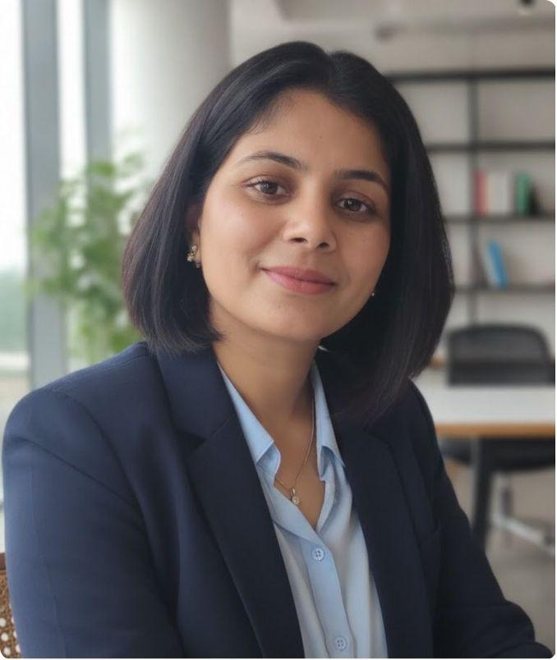
Pratibha has 17+ years of experience in SEO, AI search and performance marketing, and has led marketing initiatives at ProProfs, MRM, Korra, RepIndia, AdLift, Webchutney and Possible Worldwide (Quasar).
Twelve practical steps to win Google's map pack - from Business Profile categories to a review habit your team will actually keep.
Read articleYouTube is doubling the watch-hour and Shorts-view bar for new applicants from February 2027. Here's how to plan around it.
Read articleA realistic plan for busy founders and CXOs to build authority, inbound and trust - in under an hour a week.
Read articleLet's make your brand the obvious choice - on Google, in AI answers and in your buyer's feed.
Or call us directly on +91 92051 74111
A growth strategist will call you within one business day. Need us sooner? Call +91 92051 74111.